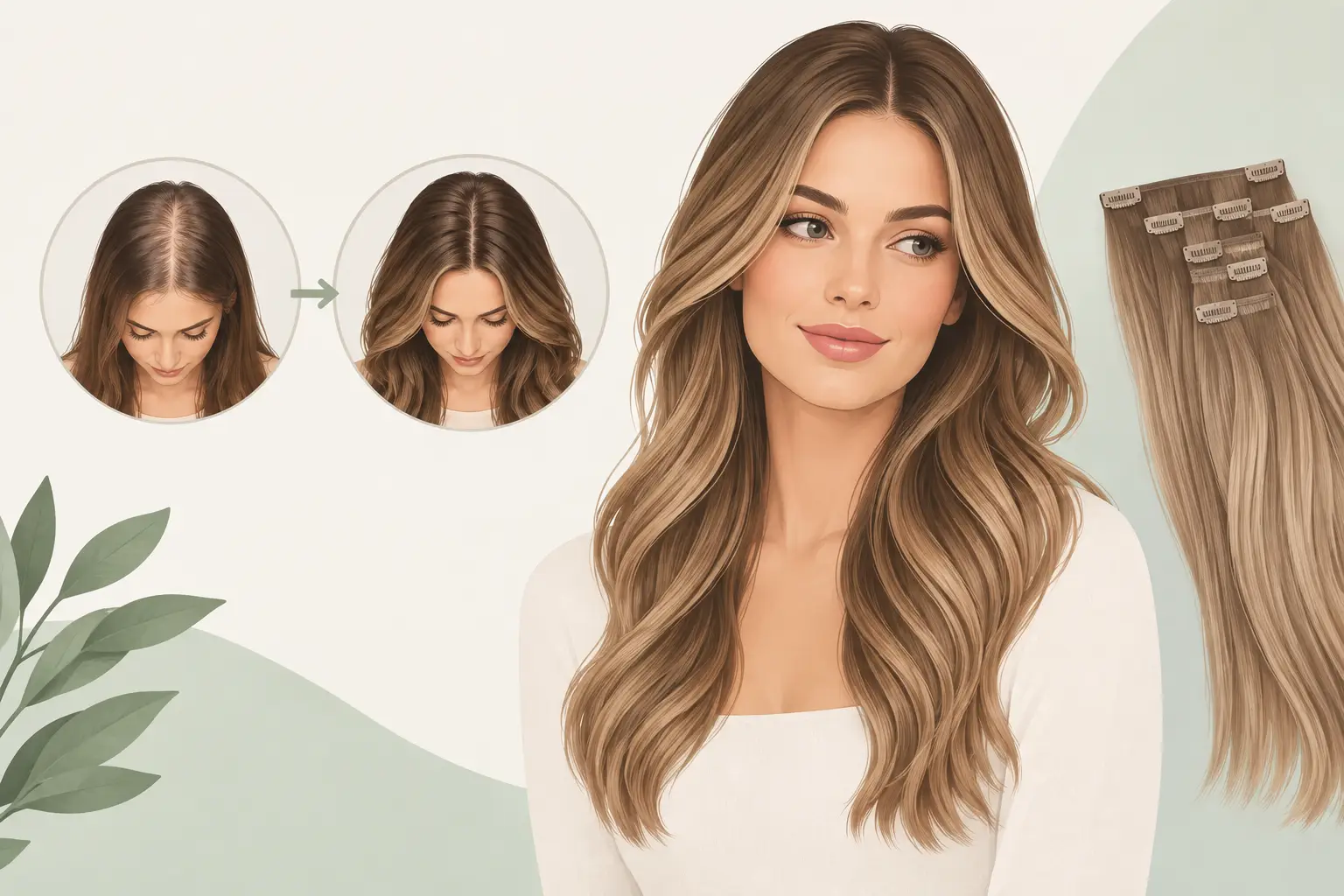
Fine hair can look beautifully soft and glossy, yet still feel frustratingly flat at the crown or sparse through the ends. The right hair extensions for thin hair can change that feeling without asking you to compromise the health of your natural strands. The goal is not simply more hair. It is believable fullness, balanced length and a finish that still feels completely like you.
At RHair & Beauty, an extension appointment begins with the detail that matters most: understanding your hair density, texture, colour history and everyday routine. A method that creates a gorgeous result on medium-density hair may be too heavy for finer strands. Personalised advice protects your hair while delivering the confidence of a fuller, polished style.
Why Thin Hair Needs a Different Extension Plan
Thin hair has less density to disguise attachment points, so placement, section size and extension weight all need more precision. If too much hair is applied to too little natural hair, the result can feel uncomfortable, look obvious or place unnecessary tension on the roots.
A softer, more strategic approach generally creates the most luxurious result. Rather than adding maximum length everywhere, an experienced stylist may focus on volume through the sides, fullness around the face and reinforcement through delicate ends. This can make a bob look more substantial, bring a blow-dry to life or give longer hair the movement it has been missing.
Colour matching is equally important. Fine hair often allows more light through the lengths, which means an extension shade that looks close in the packet can appear too solid once fitted. Custom blending of tones, dimensional colour placement and a refined cut after installation help the extensions melt into your own hair.
Which Hair Extensions for Thin Hair Work Best?
There is no single best method for every person with fine hair. Your ideal option depends on the condition of your hair, how much volume you want, whether you wear your hair up often and how committed you are to maintenance appointments.
Tape extensions for soft, even volume
Tape extensions are a popular choice for fine hair because they sit flat against the head and distribute weight across a wider section. When applied in small, carefully spaced panels, they can add natural fullness without bulky attachment points. They are particularly effective for clients who want to thicken the mid-lengths and ends, or add modest length with a smooth finish.
The key is restraint. Too many tapes, or tapes placed too close to the hairline and parting, can become visible in fine hair. A skilled stylist will leave enough of your natural hair around the perimeter to maintain a discreet, effortless result.
Keratin bond extensions for customised placement
Keratin bonds can be an excellent option when fine hair needs a highly tailored approach. Because the extensions are applied strand by strand, your stylist can build volume exactly where it is needed and avoid areas that are naturally more delicate. This makes them ideal for soft face-framing fullness, a little extra density through a layered cut or subtle length that moves naturally.
The trade-off is time. Application is more detailed, and removal must always be completed professionally to protect the natural hair. For the right client, however, the flexibility and discreet finish can be worth it.
Wefts and hand-tied methods for selected hair types
Weft extensions can create beautiful density, but they are not automatically the right choice for very thin hair. A continuous row may be too much weight for hair that is fragile or sparse, particularly if it is fitted too tightly. Some clients with fine yet healthy, reasonably dense hair can wear lightweight wefts successfully with thoughtful placement.
Your consultation should be honest here. If your hair does not have enough density to support a weft safely, a lighter method will give you a more flattering result and a better experience over time.
Clip-ins and halos for occasional glamour
For a wedding, special event or the occasional weekend style, temporary extensions can be a lovely alternative. A lightweight halo may suit clients who want instant length without daily wear, while carefully chosen clip-ins can add fullness for a special occasion.
They do require gentle handling. Clips should never be fixed to the same delicate area every time, and they should be removed before sleeping. If you find yourself reaching for them most days, a professionally fitted method may be more comfortable and kinder to your hair.
What to Avoid When Hair Is Fine or Fragile
Extensions should feel secure, never tight, sore or heavy. Tenderness after fitting, headaches, visible attachments or a feeling that your hair is being pulled are not signs that you simply need to get used to them. Contact your salon promptly so the fit can be assessed.
Very small, weight-bearing attachments can also be unsuitable for hair that is especially fine, bleached or experiencing breakage. This does not mean extensions are off the table. It means the extension plan needs to be lighter, more selective and led by the current condition of your natural hair.
If your hair has been lightened, heat-styled heavily or feels weak at the ends, preparation may be the most valuable first step. A precision trim, restorative professional treatment and a considered home-care routine can create a healthier foundation before any extensions are applied. Beautiful results are always stronger when hair health comes first.
How Much Volume Do You Really Need?
The most natural transformations are often the ones that do not look overdone. For fine hair, a partial volume service can be enough to make ponytails feel thicker, reduce the look of see-through ends and give your haircut a more expensive-looking shape.
During a consultation, consider when you notice your hair most. Is it when you style a smooth blow-dry and the ends look wispy? When you curl it and the shape falls away too quickly? Or when you would love to wear it down for an event but feel it lacks presence? Your answers help determine whether you need a small amount of density, more length, or a combination of both.
Lifestyle matters too. If you are committed to regular salon maintenance and enjoy styling your hair, a semi-permanent method may be a wonderful fit. If you prefer minimal upkeep or only want a change for specific occasions, temporary volume may be the more sensible choice. The best extensions work with your routine, not against it.
Caring for Fine Hair With Extensions
Once your extensions are fitted, gentle consistency will help protect both the extensions and your natural hair. Use salon-recommended products suited to your extension method, brush from the ends upward and support the roots with your hand when detangling. A soft extension brush is particularly helpful around attachment points.
Wash with care, keeping conditioner and masks away from tape tabs or bonds unless your stylist advises otherwise. After washing, dry the attachment area thoroughly. Going to bed with damp roots can cause tangling and make hair harder to manage, especially where fine strands are involved.
Sleeping with your hair in a loose, low braid or ponytail can reduce friction. Heat styling is still possible, but apply heat protection and keep hot tools away from the attachment points. Regular maintenance appointments are not an optional extra – they are how your stylist checks your natural hair, adjusts the extensions where needed and keeps the finish looking refined.
The Difference a Professional Consultation Makes
Choosing extensions from a colour chart or a social media trend can be tempting, but thin hair benefits from a more considered decision. Your stylist can assess areas of lower density, identify signs of damage, match the extension texture to your own hair and create a placement pattern that suits how you part and style it.
The right result should move naturally, feel comfortable from the first day and look just as beautiful when you tuck your hair behind your ear. It should also be realistic to maintain. Premium hair, expert fitting and appropriate aftercare are an investment in both your look and the condition of the hair underneath.
If fuller hair would help you feel more like yourself, start with a conversation rather than a commitment to a particular method. With a gentle, personalised plan, fine hair can enjoy beautiful volume, luminous length and a finish that feels confidently your own.

